Supporting Cast
Grove Herb Blenders
These five grove herbs don't anchor a brew on their own — they finish it. Add one or two to any base (bamboo, fig, butterfly pea) to layer aroma, shift the flavor direction, and stack more compound coverage.
Spearmint
Mentha spicata
Gentler than peppermint — carvone rather than menthol gives it a softer, sweeter mint. Rosmarinic acid adds anti-inflammatory action. A randomized, double-blind trial of a rosmarinic-acid-rich spearmint extract showed improved working memory in older adults with age-associated memory impairment;3 spearmint also has mild anti-androgenic properties. Digestive and calming.
Add: 6–8 fresh leaves per cup, last 2 min of steep or cold brew. Pairs especially well with butterfly pea and bamboo.
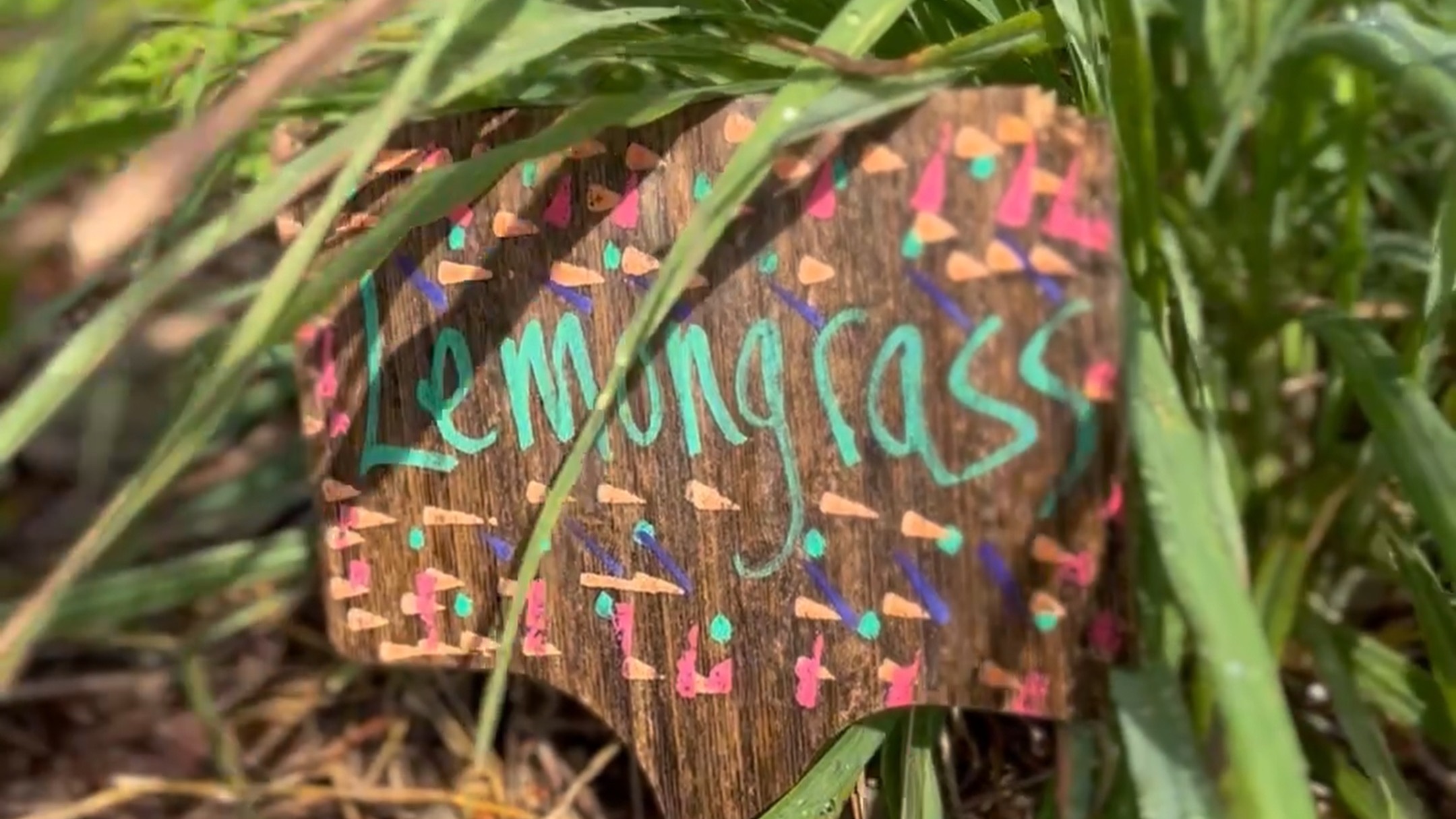
Lemongrass
Cymbopogon citratus
High in citral — a blend of geranial and neral — the primary citrus aromatic. Antimicrobial, digestive, and mild anxiolytic. Strong flavonoid content including luteolin and apigenin. One of the best carriers in the grove: it lifts any blend without dominating it.
Add: 1–2 stalks bruised per quart cold brew, or add 2 inches sliced to any hot steep for the final 3 minutes.
Lemon Balm
Melissa officinalis
The calm herb. Rosmarinic acid (anti-inflammatory, antiviral), citral, and luteolin. Clinical evidence for reducing stress and anxiety, improving sleep quality, and reducing C-reactive protein. Also shows antiviral activity against herpes simplex. Antioxidant activity comparable to green tea.
Add: 4–6 fresh leaves or 1 tbsp dried. Best blended with bamboo as an evening tonic — the calming profile pairs with bamboo's anti-inflammatory base.
Lemon Verbena
Aloysia citrodora
The most intensely lemon-scented of the group — verbascoside (a phenylpropanoid) is its star compound, shown to reduce C-reactive protein in clinical trials. Also rich in geranial, luteolin, and catechins (same family as green tea). Muscle recovery and anti-fatigue properties in exercise research.
Add: 2–3 fresh sprigs per quart — it's potent, less is more. Excellent cold brew partner for butterfly pea; the citrus-floral aroma amplifies without competing.
Other Mints
Mentha spp.
Depending which varieties are in the grove — peppermint, chocolate mint, apple mint — each brings a different menthol/carvone ratio and aromatic character. All share rosmarinic acid and anti-inflammatory phenolics. Peppermint is the strongest (use half); apple mint and chocolate mint are lighter and sweeter.
Add: same as spearmint — small amounts, late in the brew process. Best used fresh rather than dried for full aromatic impact.