From the Grove
Grove Apothecary
Bamboo leaf tea, cold brews, and herbal blends grown and harvested at Moody Grove. Every ingredient in the cup comes from within the food forest.
Bamboo leaves from Seabreeze and Oldhamii are rich in a class of C-glycoside flavonoids — orientin, vitexin, isoorientin, isovitexin — that are notably stable compared to other plant antioxidants. Research identifies these compounds as cardiovascular-supportive, anti-inflammatory, and neuroprotective.1
Paired with homegrown turmeric (curcumin + turmerones), fresh ginger (gingerols + shogaols), and Myer's lemon (hesperidin + vitamin C), the result is a synergistic daily tonic where every element reinforces the others — gut, joints, circulation, and immunity.
Hot steeping draws the most flavonoids from dried bamboo leaves. Cold brew concentrates lighter aromatic compounds and makes an excellent refrigerator staple during Florida summers.
Grove Source
Bambusa Species at Moody Grove
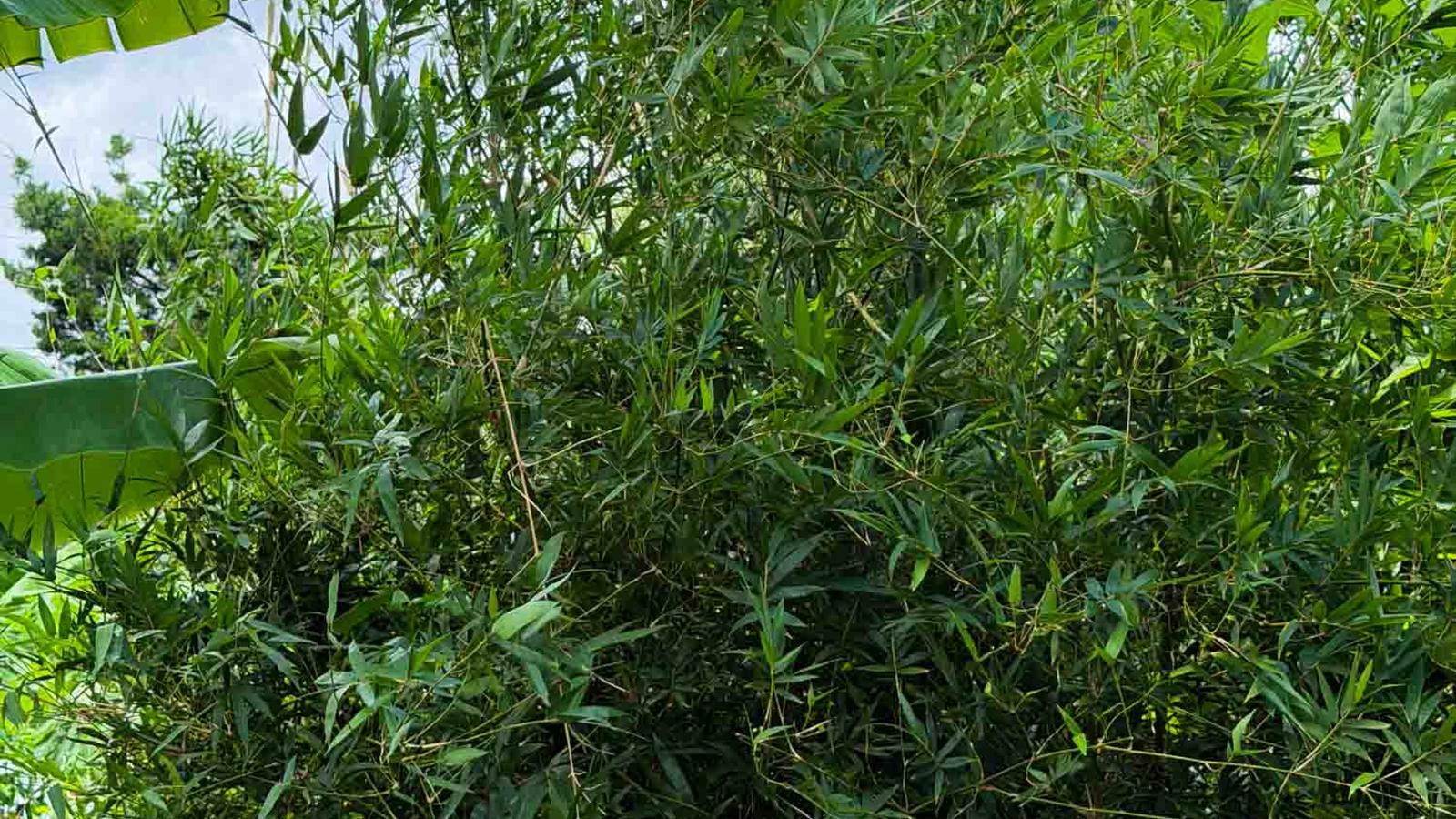
The primary tea bamboos at Moody Grove are Seabreeze (Bambusa malingensis) and Oldhamii (Bambusa oldhamii) — the two species specifically studied for their leaf flavonoid content. Both are large-culm windbreak bamboos with mature leaves that dry and brew reliably. Harvest young-to-mid-age healthy leaves, rinse, air-dry or dehydrate at low heat, and store airtight.
All grove bamboos contribute — every Bambusa species shares the same C-glycoside flavonoid class. The cottage garden varieties (Alphonse Karr, Gracilis, Dwarf Buddha Belly) supplement the blend when available, but Seabreeze and Oldhamii are the primary harvest sources given their size, leaf volume, and direct research backing.
What's In the Leaf
Bioactive Compounds
Flavonoid
Orientin
The dominant flavonoid in bamboo leaves. Antioxidant, anti-inflammatory, cardioprotective, neuroprotective, and adaptogenic. More stable than most plant polyphenols — survives drying and brewing.
Flavonoid
Vitexin
Anti-inflammatory and anti-adipogenic (helps regulate fat cell formation). Associated with reduced cardiovascular risk markers and support for metabolic balance. Works synergistically with orientin.
Flavonoid
Isoorientin & Isovitexin
Mirror isomers of orientin and vitexin. Contribute broadly to the antioxidant profile, anti-allergenic activity, and support for gut microbiome diversity in flavonoid-rich diets.
Polyphenol
Rutin
Strengthens capillary walls and supports circulatory health. Pairs well with vitamin C (from Myer's lemon) — the two compounds potentiate each other's bioavailability in the body.
Polyphenol
Quercetin
Broad-spectrum anti-inflammatory. Studied for immune modulation, antihistamine-like effects, and support for respiratory health. Present in modest amounts alongside the dominant C-glycosides.
Mineral
Silica & Potassium
Bamboo is one of the highest plant sources of bioavailable silica, which supports connective tissue, hair, and skin. Potassium content adds mild electrolyte value to the brew.
The Formula
The Moody Grove Blend
Bamboo Leaves
Windbreak · Seabreeze (B. malingensis) + Oldhamii (B. oldhamii)
The base of the brew. Dried leaves contribute the full flavonoid matrix — orientin, vitexin, rutin, quercetin — plus natural silica. Mild grassy, slightly sweet flavor that pairs well with everything else in this blend.
2 tbsp dried leaves per quart
Turmeric
In Ground · Curcuma longa
Fresh rhizome from the grove. Curcumin is the most studied natural anti-inflammatory compound known — inhibits NF-κB, the same molecular pathway targeted by many pharmaceutical anti-inflammatories. Turmerones add depth and enhance absorption.
1-inch fresh slice, or ½ tsp dried powder + pinch black pepper
Ginger
In Ground · Zingiber officinale + Shell Ginger
Grove-harvested ginger delivers gingerols (fresh) or shogaols (dried/heated) — both potently anti-nausea, digestive, and circulatory. Shell ginger (Alpinia zerumbet) adds an aromatic floral note and its own antioxidant profile.
1-inch fresh slice per quart
Myer's Lemon
In Ground · Citrus × meyeri
Sweeter and less acidic than standard lemon with higher hesperidin (a flavonoid with circulatory benefits) and vitamin C. The ascorbic acid dramatically improves absorption of rutin from the bamboo leaves — the combination is more effective than either alone.
½ lemon squeezed per quart, added after brewing
How to Brew
Two Methods
Hot Infusion · Daily Tonic
Morning Hot Brew
- 1Bring water to 195°F (90°C) — just off a rolling boil. Do not use fully boiling water; high heat degrades flavonoids.
- 2Add 2 tbsp dried bamboo leaves + 1 thin slice each of fresh turmeric and ginger to an infuser or pot.
- 3Steep 8–12 minutes. Longer draws more flavonoids; taste intensifies noticeably past 10 minutes.
- 4Strain. Add a squeeze of Myer's lemon after brewing — not during — to preserve vitamin C.
- 5Optional: small drizzle of local honey. Pinch of black pepper with the turmeric boosts curcumin absorption ~2000%.
Yield: 1–2 cups · Routine: 1 cup/day, up to 2 cups/day max. Hot brewing extracts the highest flavonoid concentration.
Cold Brew · Summer Staple
Overnight Cold Brew
- 1In a 1-quart mason jar, combine 20–25 fresh bamboo leaves (rinsed), 3–4 fresh ginger slices, and 2–3 thin turmeric slices.
- 2Fill with filtered water. Seal and refrigerate 12–18 hours.
- 3Strain through a fine mesh. The brew will be pale gold with a light grassy-ginger aroma.
- 4Squeeze in half a Myer's lemon. Taste — add honey if preferred.
- 5Keeps refrigerated 3 days. Serve over ice as a daily summer drink or mix with sparkling water.
Note: Cold brew yields fewer flavonoids than hot infusion but preserves more delicate aromatics and enzymatic compounds. Great for volume and daily enjoyment; rotate with hot brew for full-spectrum benefit.